

How A Reverse Cycle Air Conditioner Works: Anatomy, Benefits & Efficiency
Key Takeaways
Understand the four main components that make your air conditioner work, from the evaporator to the compressor.
Discover how reverse cycle systems provide both heating and cooling for year-round comfort.
Learn how Daikin’s use of R-32 refrigerant improves energy efficiency and reduces environmental impact.
Explore the best system options, split, multi-split, or ducted, and how to choose the right one for your home.
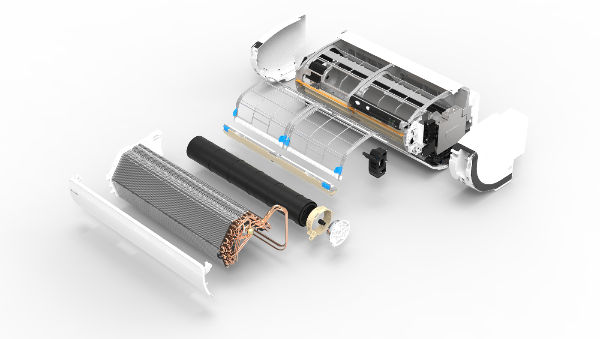
What’s Inside an Air Conditioner? (The Anatomy)
Behind every quiet hum of your air conditioner lies a clever system that transfers heat, not just blasts cold air. Whether you own a split system air conditioner or a ducted unit, the core components are the same, each playing a vital role in maintaining comfort.
We’ve broken down the key components below, so you know the purpose of each one.
Evaporator (Indoor Coil)
The evaporator coil, located in your indoor unit, is where warm indoor air gets drawn in and cooled down. As air passes over the coil, the refrigerant absorbs the heat, transforming from liquid to gas.
Compressor (Outdoor Unit)
Next, the gaseous refrigerant travels to the compressor in the outdoor unit. The compressor pressurises the gas, raising its temperature and preparing it to release heat efficiently.
Condenser (Outdoor Coil)
The condenser coil expels heat outside your home. A fan blows air across it, cooling the refrigerant and turning it back into a liquid form.
Expansion Valve
Finally, the refrigerant flows through the expansion valve, dropping in pressure and temperature before returning to the evaporator to restart the cycle.
This process continuously transfers heat, from inside to outside in cooling mode, or reversed in heating mode.
The Role of Refrigerants: Why R-32 Is A Game Changer
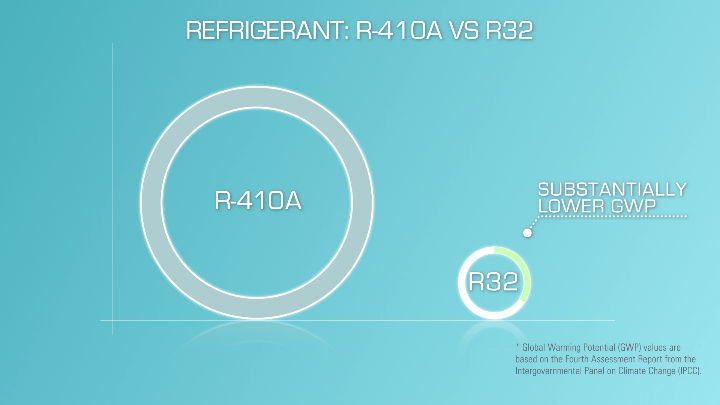
Refrigerants are the key to efficient heating and cooling. Older systems often used R-410A, which has a higher environmental impact. Daikin pioneered the use of R-32 refrigerant, a more sustainable alternative with two-thirds lower global warming potential.
R-32 not only reduces emissions but also improves heat exchange efficiency, meaning lower energy use and cheaper running costs, a win for both your wallet and the planet.
Today, Daikin units utilising R-32 refrigerants are sold in over 70 countries worldwide.
Reverse Cycle Air Conditioning: Cooling and Heating in One
Reverse cycle air conditioners are designed to do both, cool in summer and heat in winter, by reversing the flow of refrigerant. This smart technology makes them an efficient, all-in-one comfort solution for Australian homes.
Feature | Traditional AC/Heater | Reverse Cycle Air Conditioner |
Function | Only heats or cools | Both heating and cooling |
Efficiency | Consumes energy to create heat | Moves heat efficiently using less energy |
Typical Output | 1 kW input → 1 kW heat | 1 kW input → 3+ kW heat/cool |
Best For | Seasonal comfort | Year-round comfort |
Environmental Impact | Higher carbon footprint | Lower with R-32 refrigerant |
Reverse cycle systems are ideal for climates like Australia’s, where both temperature extremes are common.
For a deeper dive, check out our Ultimate Air Conditioner Heating & Cooling Guide.
Choosing The Right System: Split, Multi-Split or Ducted?
Finding the right system depends on your home size, layout, and how many rooms you want to condition.
System Type | Ideal For | Pros | Considerations |
Split System | Single rooms or apartments | Easy install, affordable | One room only |
Multi-Split System | Several rooms | One outdoor unit, flexible control | Slightly higher upfront cost |
Ducted System | Whole-home comfort | Seamless design, efficient zoning | Requires roof or underfloor space |
Explore your options:
Or visit Daikin’s Buyer’s Guide for help comparing features and capacities.
Tips For Better Efficiency and Comfort
Getting the most from your air conditioner isn’t just about the unit, it’s how you use it.
Set Correct Louvre Angles: Point louvres upward when cooling and downward when heating to optimise airflow.
Size It Right: An undersized unit will overwork; oversized systems cycle too fast and waste energy.
Keep Filters Clean: Dirty filters reduce airflow and strain your system. Clean every few months.
Schedule Regular Servicing: Book annual maintenance with an authorised Daikin dealer to keep performance at its best.
Use Energy-Saving Modes: Modern units automatically adjust power based on room temperature changes.
For more advice, learn more about Choosing The Right Air Conditioner Type For Your Space.
Why Choose Daikin?
Daikin stands out for more than just performance, it’s about innovation and reliability.
Inverter Technology: Maintains stable temperatures without overworking the compressor.
Quiet Operation: Engineered for minimal noise inside and out.
Air Purification: Some models use advanced filtration to remove dust, odours and allergens.
Australian-Backed Support: Extensive dealer network and responsive customer service.
You can explore the full Daikin residential product range to find the right fit for your home.
When To Replace Your Air Conditioner
Even the best systems have a lifespan. Over time, wear and tear can reduce performance and efficiency, especially if your unit is more than 10 years old. Signs it might be time for an upgrade include longer cooling or heating times, unusual noises, rising energy bills, uneven room temperatures, or frequent repair calls.
Upgrading to a modern Daikin reverse cycle air conditioner not only restores comfort but also boosts energy efficiency and indoor air quality. Newer systems use R-32 refrigerant and inverter technology, helping lower running costs and environmental impact.
If you’re unsure whether to repair or replace, check out 7 Signs It’s Time To Replace Your Air Conditioner for a detailed guide on what to look for.
Ready To Improve Your Home’s Air Quality?
Take the next step toward cleaner, more efficient comfort. Find a Daikin dealer near you and get expert advice on the right reverse cycle system for your home.
FAQs
Q: What Makes a Reverse Cycle Air Conditioner Different from a Regular Air Conditioner?
A: Reverse cycle units can both heat and cool your home by reversing the flow of refrigerant, providing year-round comfort in one system.
Q: How Efficient Are Daikin Reverse Cycle Air Conditioners?
A: Very efficient, most Daikin models deliver over three times more heating or cooling energy than the electricity they consume.
Q: What Is R-32 Refrigerant and Why Is It Better?
A: R-32 is a next-generation refrigerant with lower global warming potential and higher energy efficiency than traditional options like R-410A.
Q: How Often Should I Clean My Air Conditioner Filters?
A: Every 3–6 months, depending on use. Clean filters ensure better airflow and reduce strain on the system.
Q: Can I Install a Reverse Cycle System Myself?
A: No, always use a Daikin Specialist Dealer for safe, compliant installation and warranty protection.


Comments